We operate an independent R&D center dedicated to combustion efficiency, condensing technology, and intelligent control systems.
Our experienced engineering team continuously drives innovation, developing products that comply with stringent international standards while adapting to the specific requirements of regional markets.
Core Focus Areas
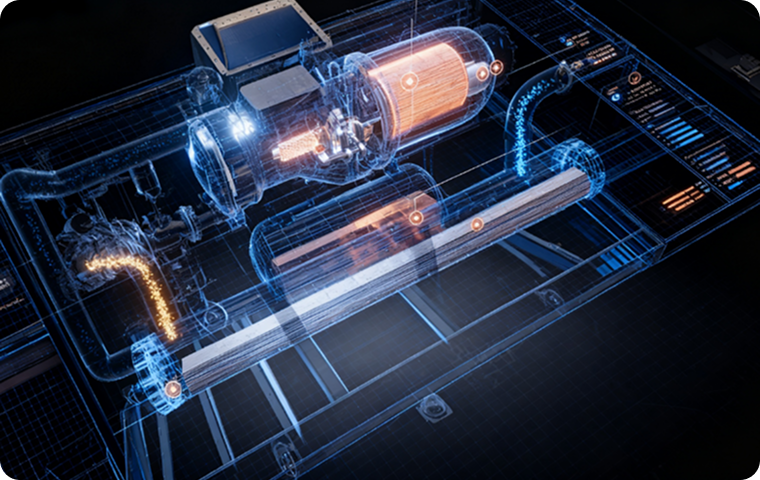
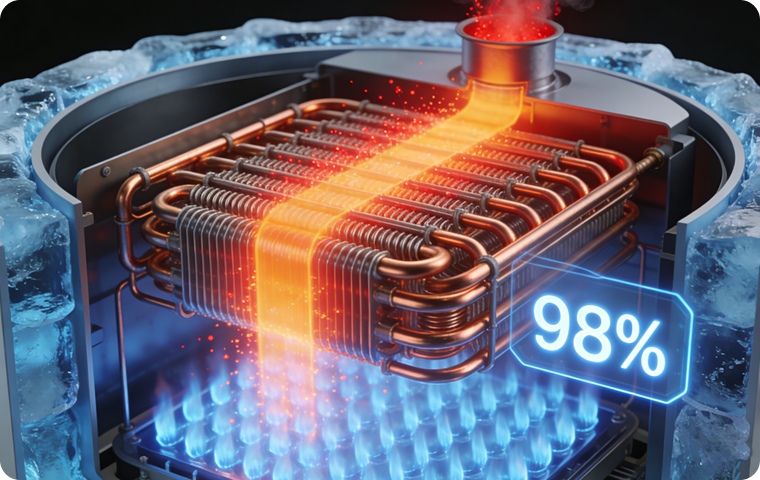
High-Efficiency Condensing Heat Exchangers
Advanced heat recovery systems designed to maximize thermal efficiency by capturing latent heat from exhaust gases.
Our proprietary heat exchanger design enables high energy extraction efficiency while maintaining a compact and installation-friendly structure.
Low-NOx Burner Technology
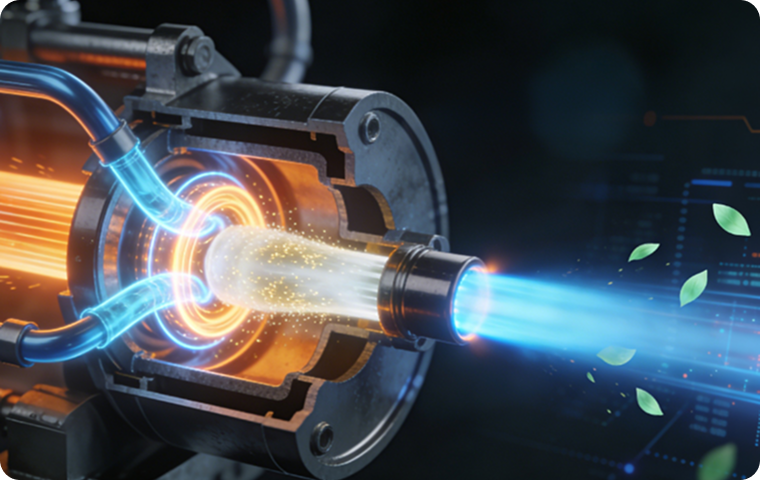
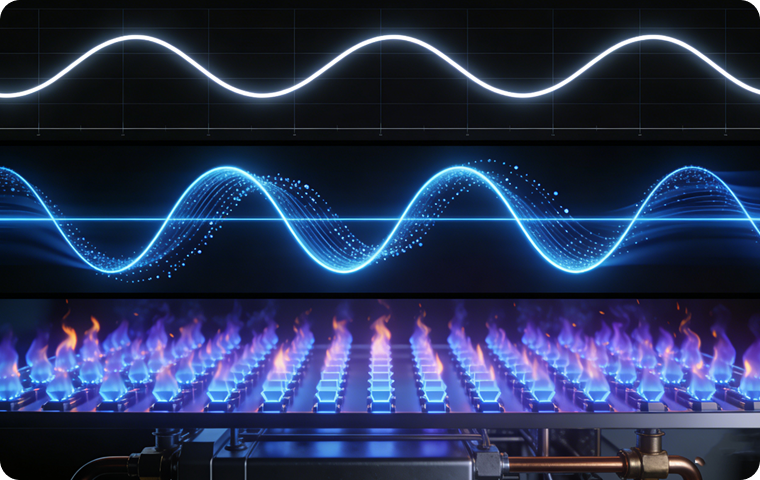
Pre-mix combustion technology optimized to reduce nitrogen oxide emissions while ensuring stable combustion performance.
Adaptive gas-air ratio control enables clean combustion under varying operating conditions.
Adaptive Combustion Control Algorithms
Intelligent control systems dynamically regulate the air-to-gas ratio to enhance combustion efficiency.
Real-time parameter adjustments respond to changes in environmental conditions and fuel quality, ensuring reliable operation.
R&D Investment
We continuously invest in research and development to drive innovation in heating technologies.
This commitment enables us to deliver products that balance performance, reliability, and environmental efficiency.
Energy-Saving Algorithm
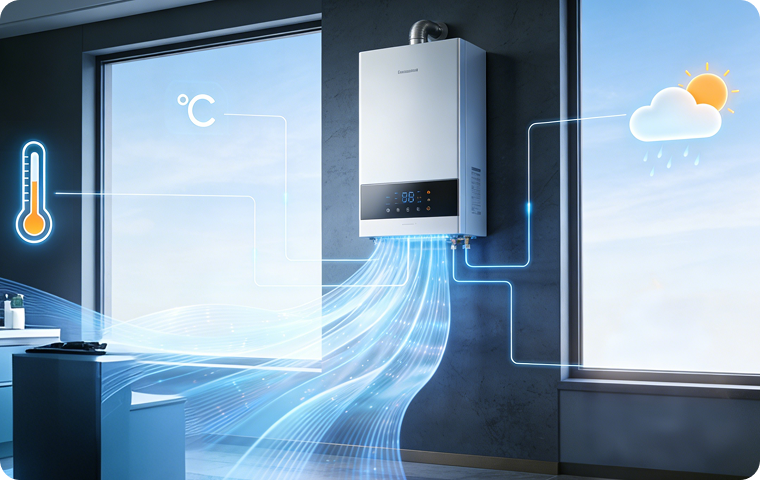
Adaptive modulation and weather-compensated control dynamically regulate boiler output based on real-time heating demand, optimizing energy usage while maintaining stable thermal performance.
Key Features
Real-Time Demand Analysis
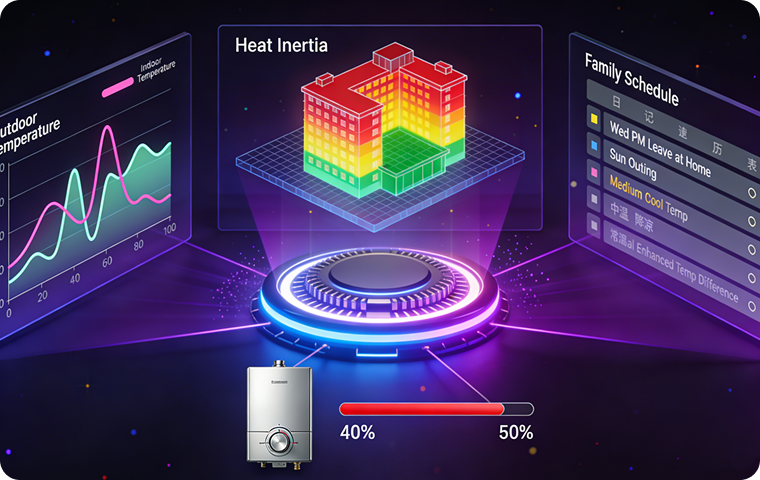
Real-time monitoring of indoor and outdoor temperatures enables accurate heating demand calculation and output adjustment.
Building thermal inertia and occupancy patterns are integrated into the control strategy to support efficient and stable operation.
Weather Compensation
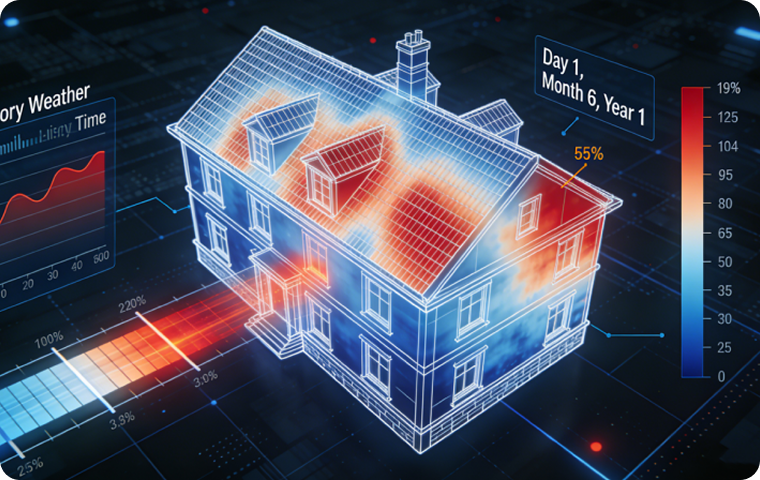
Heating curves are dynamically adjusted according to outdoor temperature variations to improve energy efficiency and comfort stability.
Seasonal operating patterns are incorporated into the control algorithm to anticipate temperature changes and optimize system response.
Self-learning Optimization
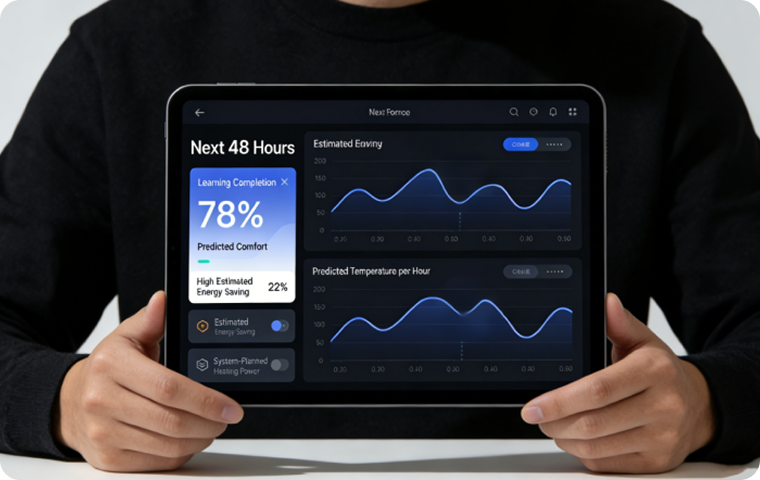
Machine learning–based algorithms evaluate usage patterns and building characteristics to progressively optimize system efficiency.
Automatic adjustments respond to changes in building operation and seasonal weather conditions to maintain consistent performance.
Energy Savings
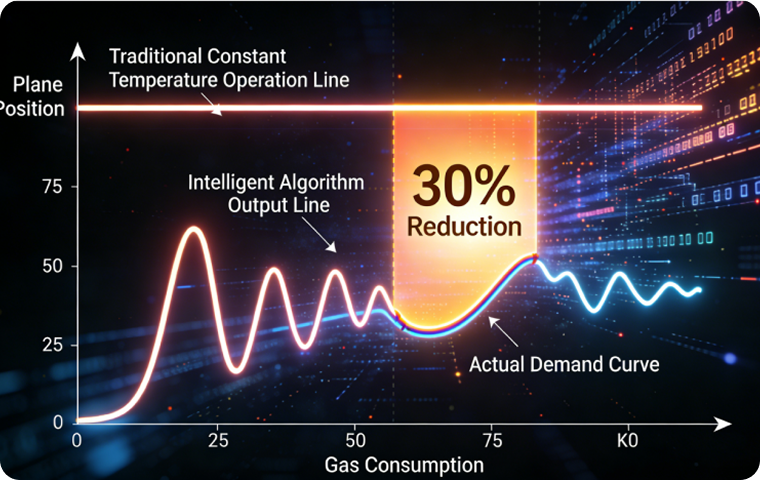
Under typical operating conditions, gas consumption can be reduced by up to 30% compared with traditional constant-temperature operation.
The intelligent control algorithm delivers energy only as required, based on real-time demand and system conditions.
Energy-Saving Technology
High-efficiency condensing heat exchangers and low-NOx burners enable thermal efficiency of up to 98% under specified operating conditions, while supporting reduced emissions.
Performance Parameters
Thermal efficiency
up to 98%
Industry-leading thermal efficiency enabled by advanced condensing technology.
The system recovers latent heat from exhaust gases that would otherwise be lost in traditional boilers, improving overall energy utilization under specified operating conditions.
Energy Efficiency Rating
ErP Class A or above
Designed to meet ErP Class A energy efficiency requirements and higher.
Products are developed in compliance with European energy efficiency regulations and aligned with stringent regulatory standards across multiple international markets.
Low Emissions Performance
Low-NOx Design
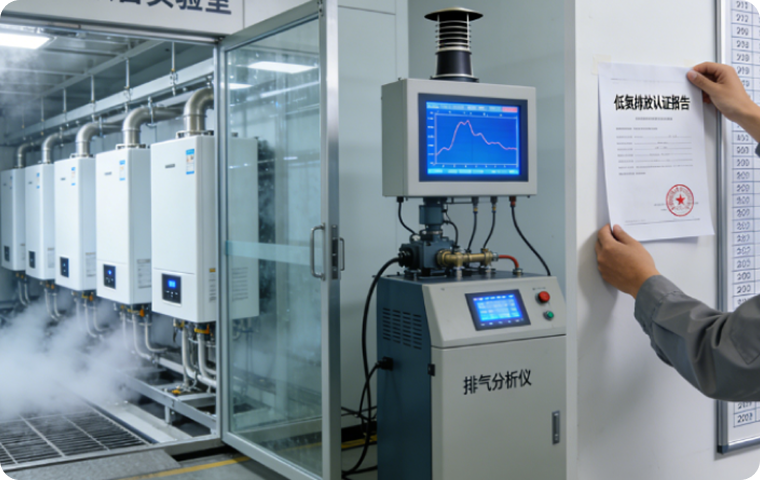
Advanced combustion control technology supports significantly reduced nitrogen oxide emissions.
Emission performance complies with strict environmental regulations in Europe and Russia, with NOx levels maintained well below applicable limits under certified conditions.
Technology Components
Condensing Heat Exchanger
Recovers latent heat from exhaust gases through water vapor condensation, improving overall thermal efficiency and reducing fuel consumption.
The stainless steel heat exchanger construction provides long-term durability and enhanced corrosion resistance under continuous operating conditions.
Low-NOx Burner
Advanced pre-mix combustion technology enables clean and efficient combustion with reduced nitrogen oxide emissions.
The modulating burner adjusts flame output in real time according to system demand, supporting stable operation and improved energy efficiency.
Intelligent IoT Applications
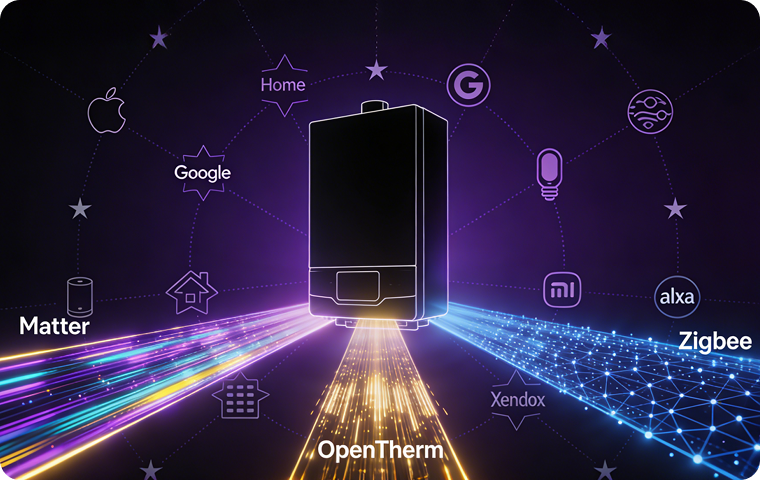
Our boilers support Matter, OpenTherm, and Russian Zigbee protocols, enabling seamless integration with global and regional smart-home ecosystems.
Protocol Integration
Matter Protocol
A standardized IoT communication protocol that supports cross-platform interoperability across leading smart home ecosystems such as Google Home, Apple Home, and Alexa.
By unifying connectivity standards, Matter helps streamline device integration and enhances system flexibility.
OpenTherm Protocol
A bidirectional communication standard allowing the boiler and thermostat to exchange operational data for accurate temperature control and system diagnostics.
Modulation control and remote fault reporting are supported to enhance operational efficiency and serviceability.
Russian Zigbee
A region-specific Zigbee-based wireless communication solution tailored for the Russian smart home ecosystem.
Designed to support compatibility with locally adopted smart home platforms and regional integration requirements.
System Intelligence & Control
The control system processes environmental data and usage patterns to refine operational logic.
Cloud diagnostics and over-the-air updates are supported to enhance long-term reliability and lifecycle management.
Smart Features
App / Voice / Cloud Control
The system supports multi-channel control through mobile apps, voice interfaces, and cloud platforms.
Scheduling, temperature adjustment, and real-time energy monitoring are integrated to enhance operational convenience and efficiency.
Remote Monitoring & Diagnostics
The system provides continuous operational monitoring and remote diagnostic functions.
Service personnel can identify and analyze system issues remotely, supporting faster response times and more efficient maintenance workflows.
OTA Firmware Updates
The system supports over-the-air firmware updates for software optimization and functional improvements.
Remote update capability reduces the need for on-site interventions and supports long-term system evolution.
Ecosystem Compatibility
The system is compatible with multiple global and regional smart home ecosystems.
Interoperability with other smart devices supports flexible home automation configurations and system expansion.
Connectivity Options
Wi-Fi / Ethernet / BLE (optional)
The system supports multiple communication interfaces to accommodate diverse network conditions.
Backup connectivity paths help preserve remote access and control continuity in the event of primary network interruptions.