

10 Best Wall Hung Boiler Troubleshooting Methods: Common Problems & Solutions
Wall hung boilers are built to deliver compact, efficient, and reliable heating performance. In real projects, however, even a high-quality boiler can run into issues over time. Most problems are not dramatic; they usually start as small warning signs such as inconsistent heating, low pressure, ignition failure, or fault codes on the display. This guide walks through the most common wall hung boiler problems, what may cause them, and how to handle them in a practical way. For international heating safety and compliance standards, technical teams often reference established codes like the Gas Safe Register.
Why Wall Hung Boilers Develop Problems
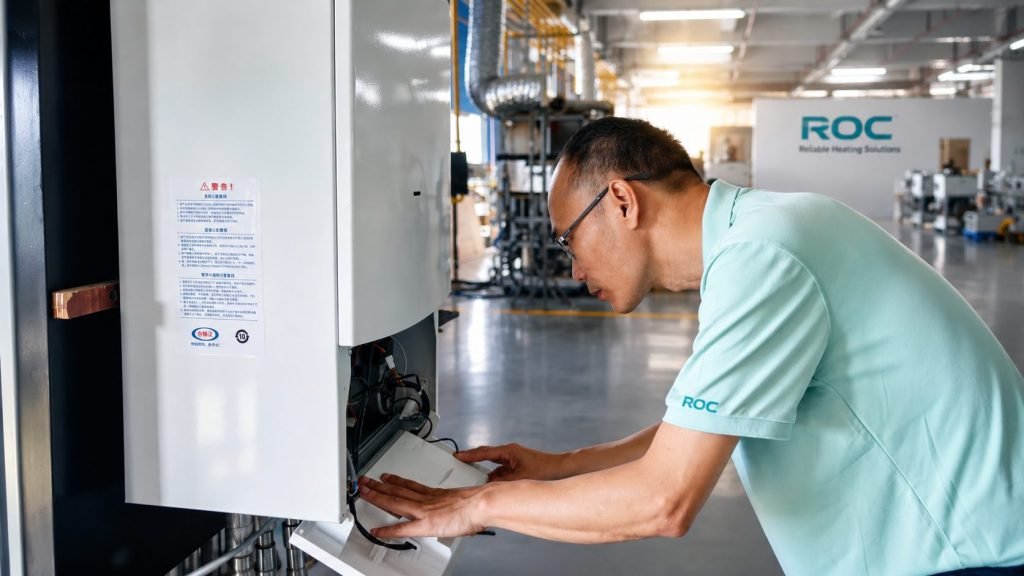
Like any heating system, a wall hung boiler contains gas controls, water circulation components, sensors, electronics, and safety devices. A fault in any one of these areas can affect the whole unit. The most common causes include improper installation, lack of regular maintenance, air trapped in the system, low water pressure, blocked condensate drainage, wear on ignition or sensor components, water quality issues, or electrical/control board faults. The good news is that many boiler problems can be diagnosed quickly if a systematic wall hung boiler troubleshooting routine is followed.
1. Boiler Not Heating Properly
If the boiler is running but the radiators are cold or the water temperature feels unstable, the issue may be related to circulation or control.
- Possible Causes: Thermostat settings are incorrect, system pressure is too low, air is trapped in the heating circuit, or the circulation pump is not working properly.
- What to Check: Confirm the thermostat is calling for heat. Check whether the boiler pressure is within the manufacturer’s recommended range. Bleed the radiators if air is trapped inside, and inspect the pump and related wiring if the problem continues. If the unit still does not heat correctly, the safest option is professional inspection.
2. Low Water Pressure
Low pressure is one of the most common wall hung boiler issues. When pressure drops too far, the boiler may stop working or trigger a safety lockout.
- Typical Signs: Weak heating performance, boiler lockout, pressure warning on the display, or frequent system resets.
- What to Do: Check the manual pressure gauge. Repressurize the system via the filling loop according to the boiler manual. Inspect visible pipe joints and valves for leaks, and check whether the expansion vessel or pressure relief valve may be involved. Repeated pressure loss usually means the system needs a deeper inspection from an engineer.
3. Ignition Failure
Ignition failure means the boiler cannot light the burner properly. This is a common cause of lockout and one of the first issues customers notice.
- Possible Causes: Gas supply interruption, ignition electrode wear, flame sensor failure, loose electrical connections, or temporary control board errors.
- What to Do: Confirm the gas supply valve is open and stable. Try a reset only if the user manual explicitly allows it, and check whether the display shows an error code. Because ignition involves complex gas-related components, this is not a safe DIY repair area.
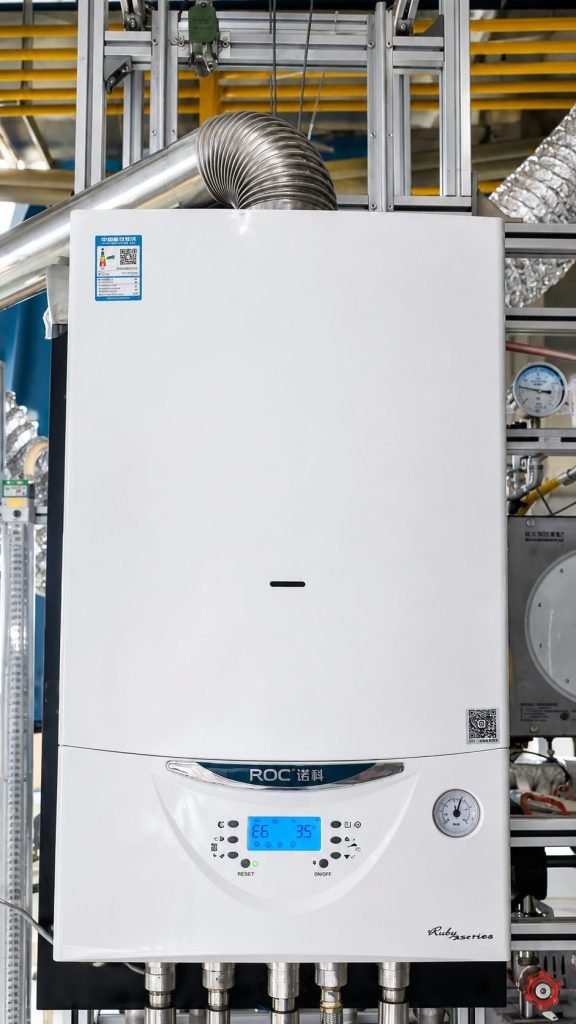
4. Boiler Keeps Shutting Down (Cyclic Lockout)
A boiler that starts normally but shuts off after a short period may be protecting itself from an underlying system fault.
- Possible Causes: Blocked condensate pipe, low water pressure, poor water circulation, faulty thermostat signal, or overheating protection.
- What to Check: Make sure the external condensate pipe is not frozen or blocked. Confirm the system pressure is stable and check whether the thermostat is sending the correct signal. If the boiler keeps locking out, do not keep resetting it without understanding the root cause.
5. Strange Noises from the Boiler
A healthy wall hung boiler should run with a steady, low operating sound. Loud, irregular, or metallic noise usually means something is mechanically wrong.
- Common Noises: Banging, whistling (kettling), gurgling, or heavy vibrating.
- Possible Causes: Air pockets in the system, severe limescale buildup on the heat exchanger, pump wear, restricted water flow, or loose internal parts. Bleed the radiators and arrange professional servicing if the noise returns.
6. Hot Water Temperature Fluctuations
If hot water alternates between too hot and too cold, the problem may be inside the domestic hot water (DHW) circuit.
- Possible Causes: Scale buildup in the secondary plate heat exchanger, flow sensor malfunction, incorrect temperature settings, or fluctuating mains water pressure.
- What to Do: Check the user control panel settings and confirm water flow is stable. In projects located in regions with hard water, scale buildup appears more often, making routine maintenance essential.
7. Fault Codes on the Display
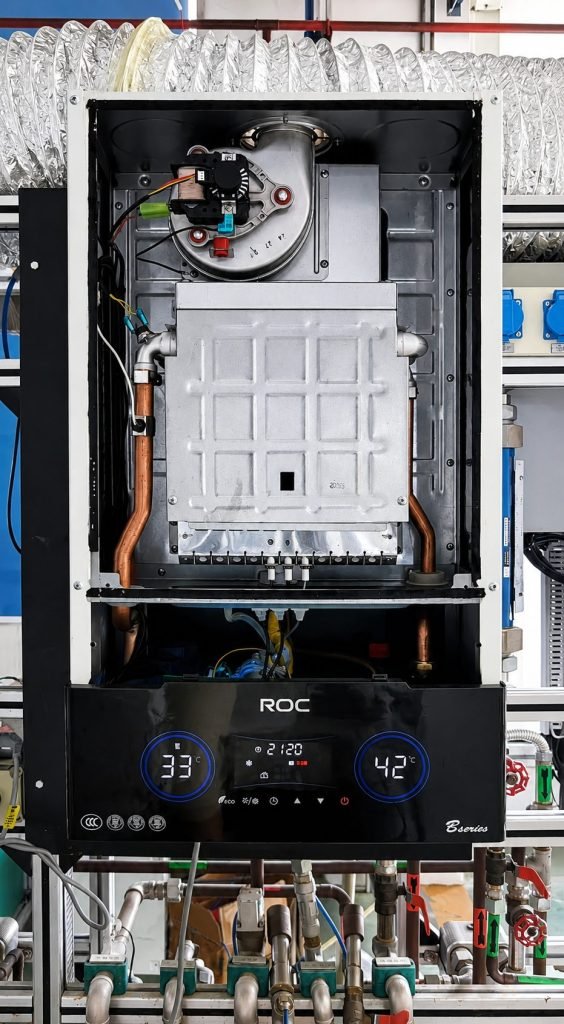
Modern wall hung boilers show digital fault codes to assist in rapid wall hung boiler troubleshooting. These diagnostics are highly useful, but the code still needs the correct manual and context. Common fault categories include ignition failure, pressure protection, overheating protection, sensor errors, and fan or airflow issues. When a fault code appears repeatedly, it is usually the system telling you exactly where to look first. For verified technical documentation, engineers often reference resources like the Air-Conditioning, Heating, and Refrigeration Institute (AHRI).
8. Boiler Leaks
Any water leak should be treated seriously. Even a slow, minor drip can damage sensitive internal electronics, reduce operational efficiency, and lead to total component failure.
- Possible Leak Points: Corroded pipe connections, seals and gaskets, the pressure relief valve, or the internal heat exchanger area.
- What to Do: Switch the unit off immediately if the leak is visible. Check the area around the casing for dripping water and contact a qualified technician. Do not keep operating a leaking boiler.
9. Frozen Condensate Pipe
In cold winter climates, the external plastic condensate pipe can freeze solid and instantly stop the boiler from running.
- Signs: Boiler shutdown, distinct gurgling sounds, error messages on the display, and a lack of normal water drainage.
- What to Do: Check the external pipe route. Carefully thaw the pipe using warm (not boiling) water if appropriate, and improve insulation for future winter operation. For cold-market projects, antifreeze planning is part of the initial design.
10. Uneven Radiator Heating
If some radiators heat well while others stay cold, the problem may be in the hydraulic balancing of the entire hydronic heating system.
- Possible Causes: Air trapped in specific radiators, sludge buildup, system imbalance, or a failing pump.
- What to Do: Bleed the cold radiators. Balance the heating circuit via the radiator valves, and consider professional system flushing if heavy sludge is present. This is especially important in older commercial and residential installations.
Preventive Maintenance Checklist
The easiest way to avoid emergency boiler problems is to stop them before they become visible. Incorporate these steps into your yearly service routine:
- Annual professional servicing by certified gas engineers
- Checking pressure levels regularly to maintain 1.0 – 1.5 bar
- Keeping condensate drainage lines clear and well-insulated
- Inspecting internal seals, valves, and pipe joints
- Monitoring and logging fault code history
- Cleaning filters and hydronic circulation components
- Checking overall system water quality
After-Sales Support, Spare Parts, and Project Reliability
For distributors, installers, and project buyers, wall hung boiler troubleshooting is only one part of the equation. Long-term project reliability also depends on seamless spare parts planning and rapid technical support.
ROC’s dedicated technical support framework includes comprehensive Common Problems & Solutions, step-by-step Installation & Commissioning Guides, and a transparent Service Policy. This complete package makes it easier for international businesses to build an efficient after-sales system around the product. If a component fails during diagnostic checks, you can learn about original-specification parts, project maintenance support, and overseas delivery considerations directly through our integrated Services & Spare Parts Guide FAQ.
Frequently Asked Questions
What is the most common wall hung boiler problem?
Low water pressure and ignition-related failures are universally among the most common issues reported by end users.
Can users fix wall hung boiler faults themselves?
Basic checks such as pressure verification or thermostat settings may be safely handled by the user, but gas line work, combustion adjustments, and complex electrical repairs must be left to qualified technicians.
How often should a wall hung boiler be serviced?
Annual professional servicing is the standard industry practice for keeping a wall hung gas boiler safe, highly efficient, and reliable.
Why does the boiler keep showing a fault code?
A repeated fault code means the system has detected an active technical issue—such as pressure loss, ignition failure, airflow restriction, or overheating protection—that requires diagnostic action.
Conclusion
Wall hung boiler problems are usually highly manageable when they are identified early and handled in the correct order. Most issues begin with pressure, ignition, circulation, or sensor-related faults, and many can be completely prevented through regular, proactive maintenance.
For global distributors and commercial project customers, the strongest business model isn’t just selling the physical equipment — it is combining high-efficiency wall hung gas boilers with the right technical support, genuine spare parts planning, and expert manufacturer guidance from day one. If you have any ongoing project inquiries, volume orders, or after-sales coordination questions, please visit our official Contact ROC page to connect directly with our technical support team via phone, email, WhatsApp, or Telegram.