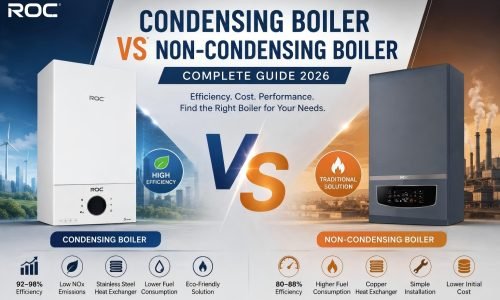


As energy prices continue to fluctuate and environmental regulations become increasingly stringent, homeowners, distributors, and HVAC professionals are seeking heating solutions that offer greater efficiency, lower operating costs, and reduced environmental impact. In 2026, condensing boilers have become the preferred choice across Europe, Eastern Europe, Central Asia, the Middle East, and many emerging markets.
Thanks to advanced heat recovery technology, intelligent controls, and lower emissions, condensing boilers are no longer considered a premium option — they are becoming the global standard for residential and commercial heating.
What Is a Condensing Boiler?
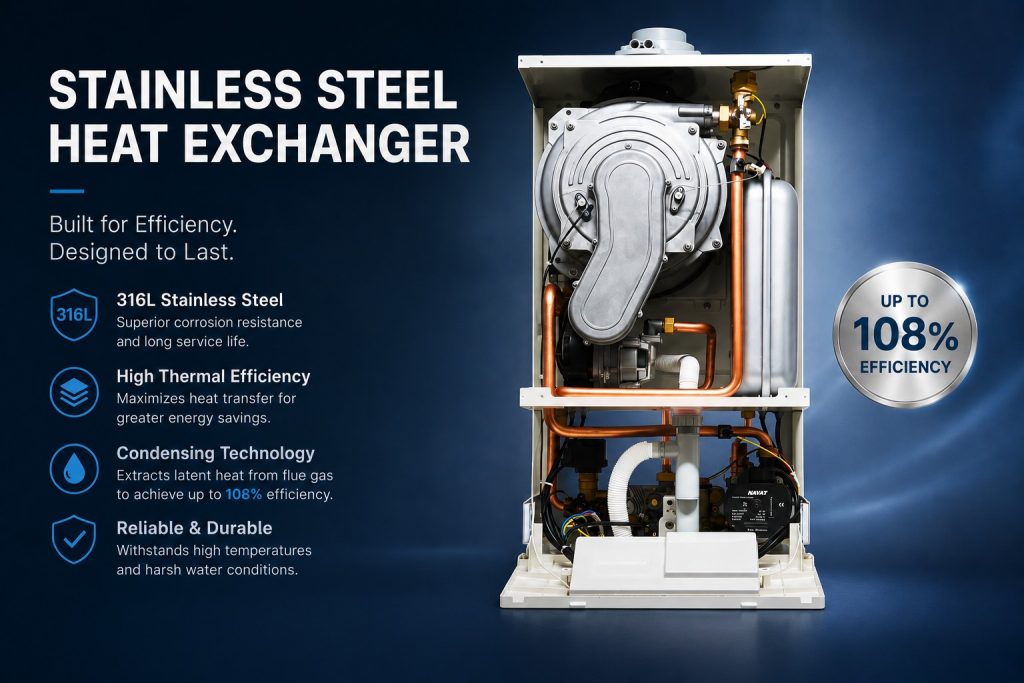
A condensing boiler is a high-efficiency gas boiler that captures heat from exhaust gases before they leave the flue. Instead of wasting this energy, the boiler recovers the latent heat from water vapor and reuses it to heat the system, significantly improving overall efficiency compared with conventional non-condensing units.
If you’re looking for high-performance heating solutions, explore ROC’s condensing boiler series.
1. Higher Energy Efficiency
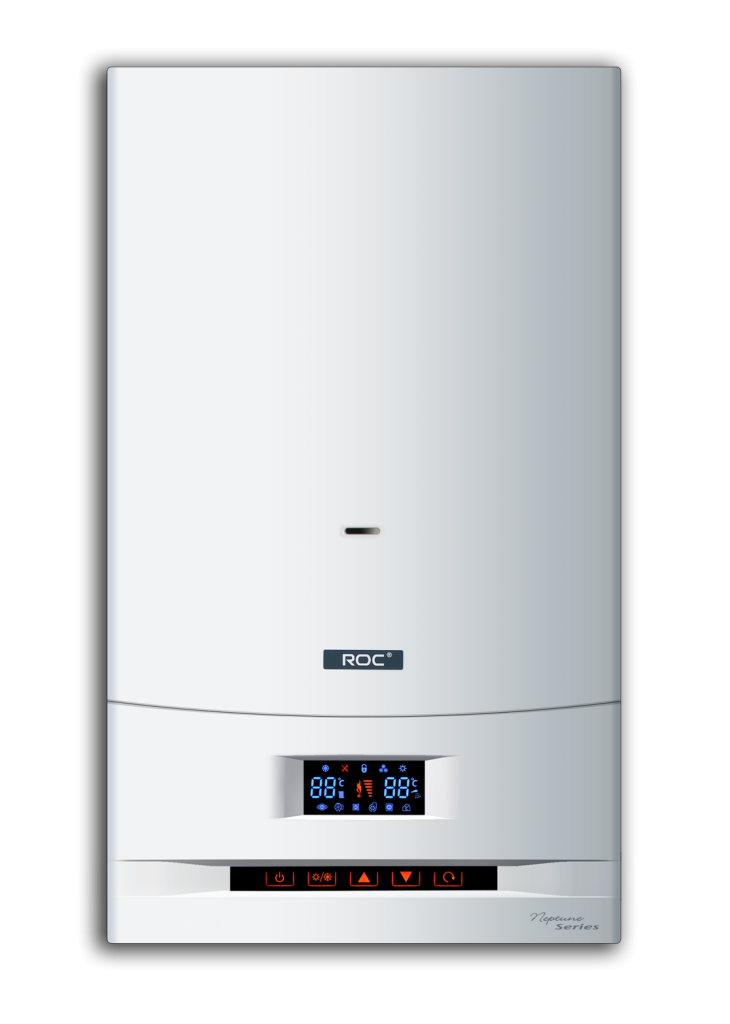
The biggest advantage of condensing boilers is their exceptional energy efficiency. Compared with conventional gas boilers, condensing technology extracts more usable heat from every cubic meter of natural gas, reducing fuel consumption while delivering consistent heating performance across the whole season.
According to the ENERGY STAR program, improving heating system efficiency is one of the most effective ways to reduce household energy consumption.
2. Lower Carbon Emissions
Governments worldwide continue to strengthen environmental regulations. Condensing boilers produce lower CO₂ and NOx emissions by maximizing combustion efficiency, making them an ideal solution for future energy policies and tightening building codes.
The European Commission continues to encourage high-efficiency heating technologies as part of its clean energy strategy.
3. Rising Energy Costs Make Efficiency More Valuable
Natural gas prices remain unpredictable in many countries. Although condensing boilers usually require a slightly higher initial investment, homeowners often recover the additional cost through reduced fuel bills over the equipment’s lifetime.
Lower operating costs and higher seasonal efficiency make a condensing boiler a long-term investment rather than simply another household appliance.
4. Smart Heating Is Becoming the New Standard
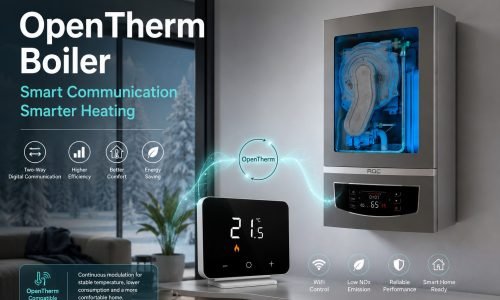
Modern consumers expect more than reliable heating — they also expect intelligent control.
- Wi-Fi remote control
- Mobile APP management
- Weekly heating schedules
- Outdoor temperature compensation
- Automatic flame modulation
- Smart home compatibility
These intelligent features improve comfort while minimizing unnecessary energy consumption throughout the heating season.
5. Better Comfort Throughout the Home
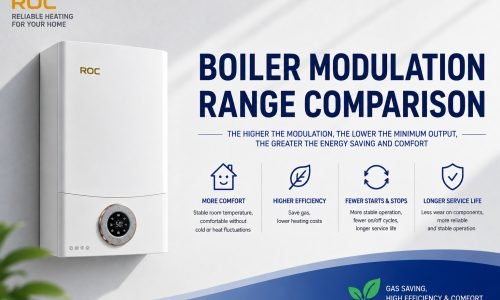
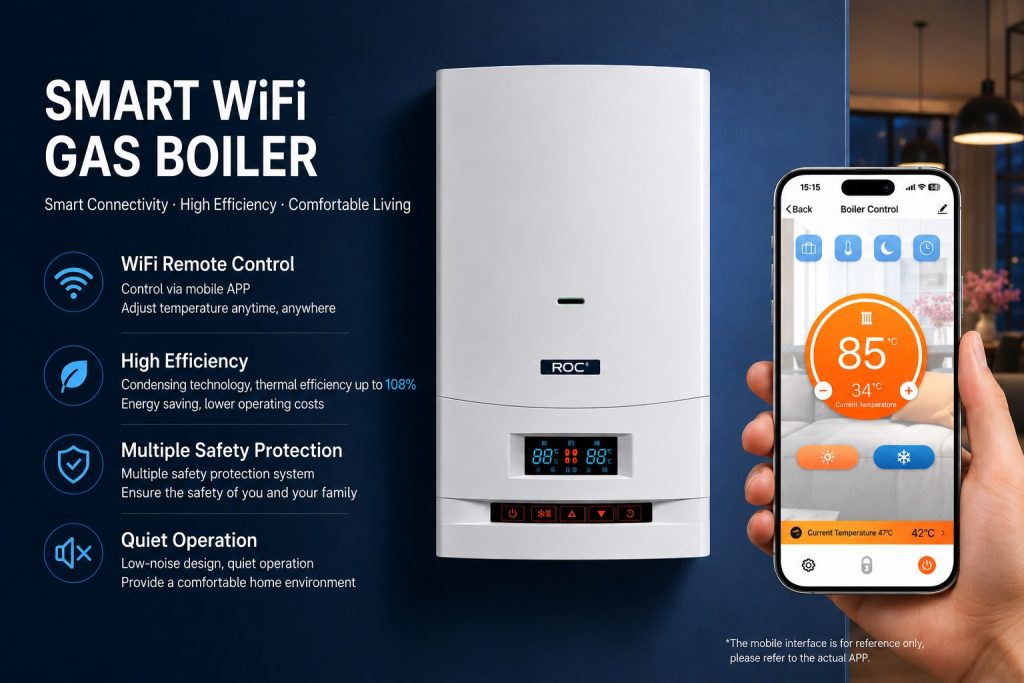
Advanced combustion control allows a modern condensing boiler to continuously adjust its output according to actual heating demand. This results in more stable indoor temperatures, quieter operation, and improved domestic hot water performance, even in larger households.
6. Suitable for Various Applications
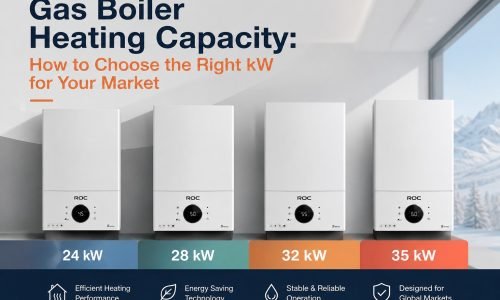
Today’s condensing boilers are widely used in apartments, villas, residential houses, hotels, offices, and commercial buildings. Multiple capacity options allow installers to choose the right model for different heating requirements, from single apartments to multi-unit developments.
7. Global Demand Continues to Grow
The global transition toward energy-efficient heating continues to accelerate. Markets throughout Europe, Eastern Europe, Central Asia, and the Middle East are experiencing increasing demand for high-efficiency condensing boilers as replacements for older, less efficient units.
According to the International Energy Agency (IEA), improving building energy efficiency remains one of the most important approaches for reducing global emissions.
Choosing the Right Condensing Boiler
Before selecting a condensing boiler, buyers should consider several important factors:
- Heating capacity
- Domestic hot water demand
- Seasonal efficiency
- Modulation ratio
- Heat exchanger material
- Smart control functions
- After-sales service
- Product certifications
Working with an experienced manufacturer ensures reliable product quality and long-term technical support — an especially important factor for distributors sourcing at scale.
Why Choose ROC?
With over 30 years of manufacturing experience, ROC COOL AND HEAT EQP LTD specializes in high-quality wall-hung gas boilers for global distributors and OEM partners.
- Full premix condensing technology
- 316L stainless steel heat exchanger
- Low NOx emissions
- Intelligent control system
- Optional Wi-Fi connectivity
- Natural Gas & LPG compatible
- Multiple safety protection systems
Learn more about ROC and discover our manufacturing capabilities.
Frequently Asked Questions
Are condensing boilers worth the extra cost?
Yes. While the upfront price is usually higher than a conventional boiler, the fuel savings from higher efficiency typically offset the difference over the unit’s lifespan, especially in markets with rising gas prices.
How long do condensing boilers last?
With proper installation and regular maintenance, a well-built condensing boiler can operate reliably for 12–15 years or longer, depending on water quality, usage patterns, and heat exchanger material.
Do condensing boilers work in cold climates?
Yes. Condensing boilers are widely used across Northern and Eastern Europe and Central Asia, where outdoor temperature compensation and modulating burners help maintain efficiency even in low ambient temperatures.
What size condensing boiler do I need?
Sizing depends on heating area, insulation level, domestic hot water demand, and local climate. A qualified installer or the manufacturer’s technical team should calculate the correct capacity before purchase.
Can condensing boilers be used for OEM or private-label supply?
Yes. Manufacturers such as ROC offer OEM and ODM programs for distributors who want to bring condensing boiler products to market under their own brand.
Become Our Distribution Partner
If you are looking for a reliable gas boiler manufacturer or OEM supplier, ROC welcomes distributors and business partners worldwide.
Visit our Become a Dealer page or contact our team to discuss your market requirements.
Conclusion
Condensing boilers represent the future of modern heating by combining exceptional efficiency, lower emissions, intelligent controls, and long-term cost savings. As global energy standards continue to evolve, choosing a high-efficiency condensing boiler is no longer simply an upgrade — it is becoming the industry standard.
For technical guidance, installation support, and product documentation, please visit our Technical Support Center.